

Calcium Homeostasis: Its Crucial Role and Impact on Anesthetic Practice
Calcium (Ca2+) is a fundamental mineral in the human body, governing a wide array of physiological functions. It plays a crucial role in processes ranging from bone... Read more.
Magnesium Sulphate: Clinical Uses, Pharmacology, Physiology, and Toxicity
IntroductionMagnesium sulphate (MgSO4) is a versatile compound with wide-ranging clinical applications due to its physiological importance. In this article, we will... Read more.
Understanding and Modulating the Perioperative Stress Response in Surgery
Surgery is a significant physiological stressor that triggers a complex response in the body. This stress response can be categorized into two main components: the... Read more.

Anesthesia’s Evolution: From Ether Day to John Snow’s Precision
Year Events and Developments 1846 – October 16, 1846: William T.G. Morton’s successful demonstration of ether anesthesia in Boston became known as “Ether... Read more.
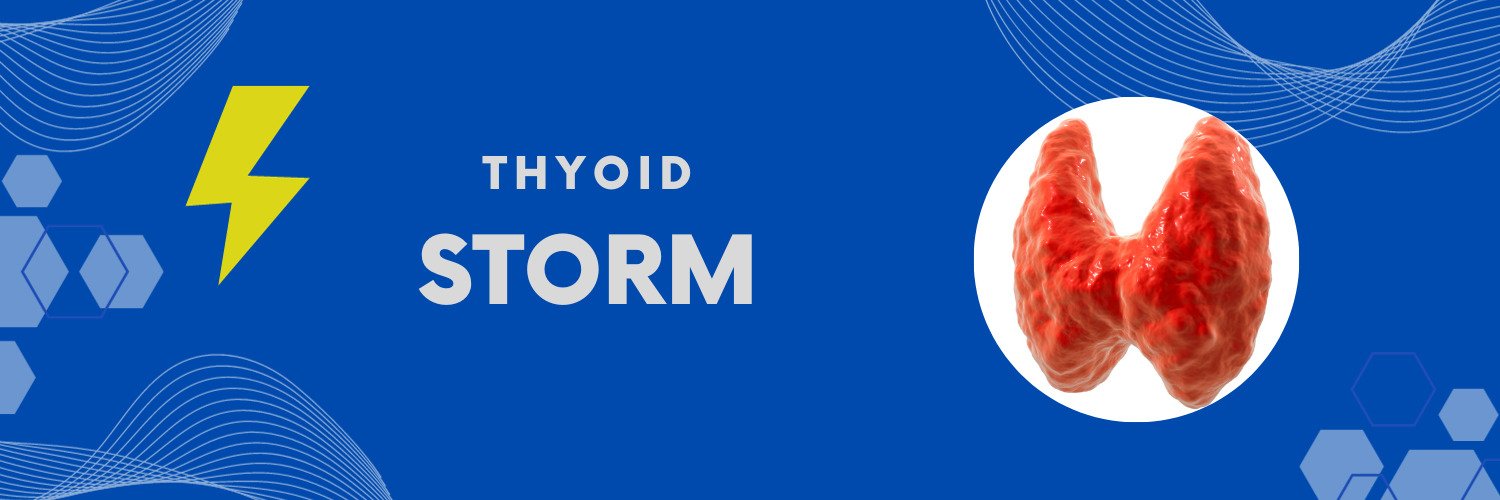
Understanding Thyroid Storm: Causes, Symptoms, Diagnosis, and Treatment
Introduction:Thyroid storm is a rare but life-threatening condition characterized by severe manifestations of thyrotoxicosis, a state of excess thyroid hormone in... Read more.

Understanding and Mitigating Postoperative Pulmonary Complications
Defining Postoperative Pulmonary Complications Postoperative pulmonary complications represent a significant concern within the realm of surgical medicine. These... Read more.